
About Warrior Advocacy Group
Warrior Advocacy Group was founded with a simple belief: the men and women who served our country should never have to navigate the benefits system alone.
We provide veterans and their families with trusted education, guidance, advocacy, and claim-development support throughout the VA disability claims process. By combining experience, empathy, and a commitment to service, we help veterans understand their options, organize evidence, and make informed decisions about their benefits.
Mission
To empower veterans and their families by providing clear guidance, strong advocacy, and compassionate support throughout the VA disability claims journey.
Vision
A future where every veteran receives the benefits, care, and respect they deserve — without unnecessary barriers or confusion.
Our Values
Honor: We recognize the sacrifice and service of every veteran.
Integrity: We act with honesty, transparency, and accountability.
Compassion: We lead with empathy and respect in every interaction.
Advocacy: We speak up, stand beside, and never stop pushing for what’s right.
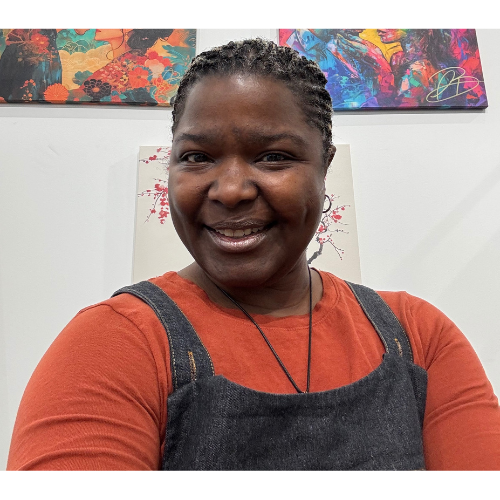
“Veterans shouldn’t have to fight another battle when they come home. We’re here to stand in that gap.”
— Takisha Bauermeister, Founder & President
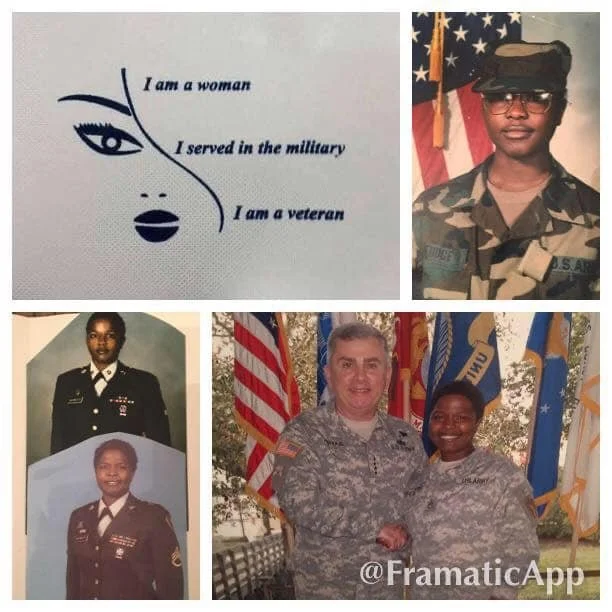
Warrior Advocacy Group was created after seeing too many veterans overwhelmed by paperwork, deadlines, and denials.
Our founder, Takisha Bauermeister, saw the emotional and financial toll this system can take on veterans and their families. Determined to change that experience, she launched Warrior Advocacy Group to offer a different path — one built on clear information, patient guidance, and relentless support.
Our Story / Founder
Leadership & Governance
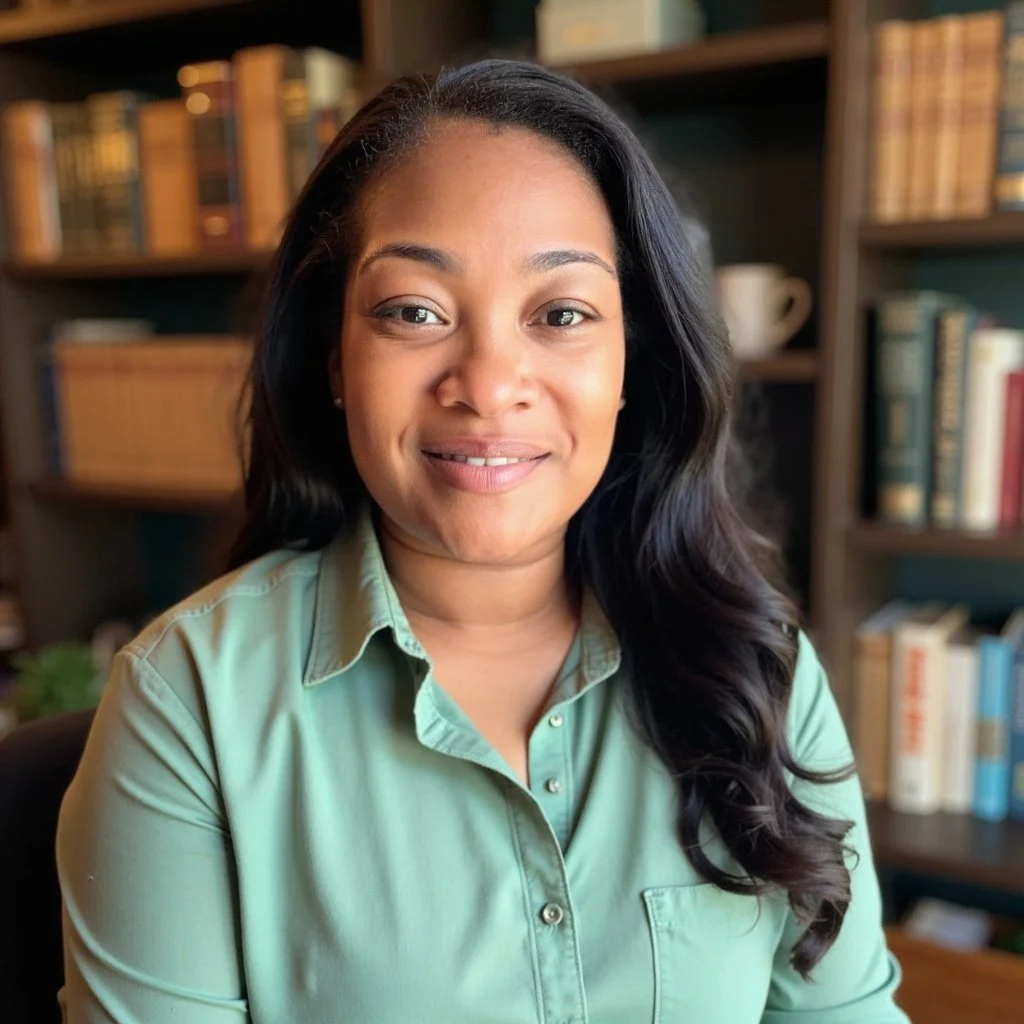
Warrior Advocacy Group is led by a dedicated board of directors committed to ethical governance, transparency, and veteran-centered service.
-
TreasurerOversees the financial health of the organization by managing budgets, monitoring expenses, and ensuring accurate financial reporting. They work closely with the board to maintain transparency, accountability, and compliance with nonprofit financial regulations.

-
SecretaryResponsible for maintaining accurate organizational records, including meeting minutes, board documentation, and official correspondence. They ensure the board’s actions are well-documented and that the organization stays compliant with required filings and record-keeping standards.